
PRP Treatments in Connecticut

PRP (Platelet-Rich Plasma) Therapy

What Is Platelet-Rich Plasma (PRP)?

Platelet-Rich Plasma (PRP) is a regenerative therapy using a concentrated sample of your own blood, rich with platelets and growth factors to harness your body’s natural healing ability. At Dr. Sobo’s practice, PRP is offered for orthopedic, sports medicine, and aesthetic concerns, all backed by current research and clinical experience.

How PRP Works

PRP is created by drawing a small amount of your blood and spinning it in a centrifuge to isolate the platelet-rich portion. Platelets release powerful healing factors that:

  • Promote new tissue and collagen
  • Reduce ongoing inflammation
  • Attract stem cells and blood vessels for cellular repair

Once concentrated, PRP is injected under precise guidance to the area of injury or concern, whether in a joint, tendon, or scalp for hair restoration.

PRP Therapy Treatment Areas


  • Shoulder Pain: Effective for treating rotator cuff injuries, tendonitis, and arthritis.
  • Knee Pain: Used to alleviate symptoms from ligament injuries, meniscal tears, and osteoarthritis.
  • Elbow Pain: Commonly applied to conditions like tennis elbow and golfer’s elbow.
  • Hip Pain: Helpful for addressing joint pain, osteoarthritis, and labral tears.
  • Foot and Ankle Pain: Addresses issues like plantar fasciitis, tendonitis, and sprains.
  • Hair Restoration: Supports natural hair growth and can be used alongside other hair treatments.
  • Erectile Dysfunction: PRP can help improve blood flow and support erectile function by rejuvenating tissues.

Condition

Benefits from PRP

Knee Osteoarthritis

Reduces pain; improves joint function

Tendon/Ligament Injuries

Accelerates repair; reduces chronic pain

Hair Loss (Alopecia)

Increases hair regrowth, density

Skin Rejuvenation & Scarring

Improves skin texture, collagen, scars

Oral/Surgical Healing

Supports post-op recovery & wounds

PRP therapy represents an exciting advancement in regenerative medicine, providing a holistic option for those seeking relief from chronic pain, improved healing, or enhanced vitality—all without the need for surgery.  If  you’re looking to address joint pain, restore hair, or explore other wellness treatments, PRP offers a versatile and minimally invasive solution that can be conveniently administered in a clinical setting.
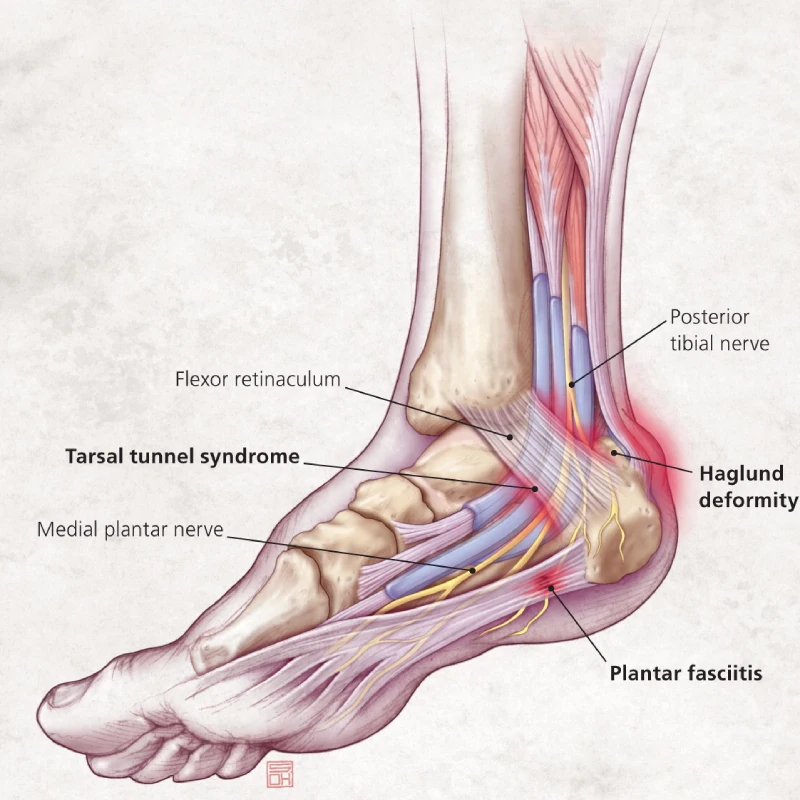
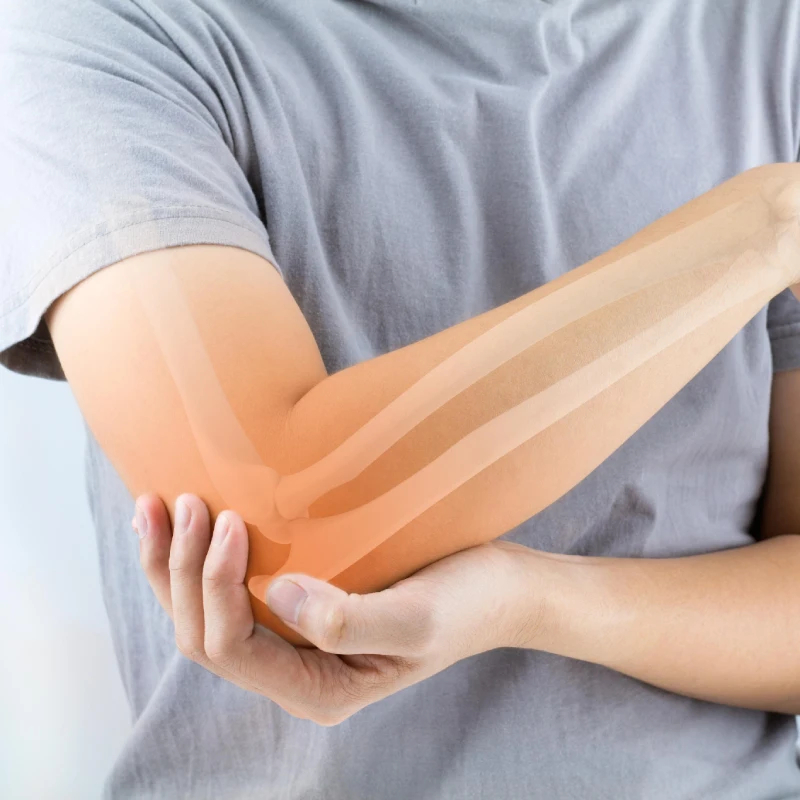
PRP for Heel Pain

I suffered from heel pain for several months. My prior doctor had given me a couple of cortisone injections which did not give me relief . After a PRP treatment my pain started improving in less than 2 weeks. Doctor Sobo gave me a second PRP treatment 4 weeks later and within 2 months from the start my pain was gone. I can now walk as much as I like and I have not had any more problems with my foot.
– ​Olena, CT

PRP for Elbow Pain

I had pain in my left elbow for over 3 yrs before Dr. Sobo gave me a PRP injection. It relieved the condition entirely. I would highly recommend this treatment to anyone who has a condition like mine that PRP would help.
– Luis, N.J

What is PRP?

Platelet-Rich Plasma (PRP) is a natural treatment derived from a patient’s own blood that enhances the body’s healing processes. PRP contains a high concentration of platelets, which are rich in growth factors and essential components for cellular repair and regeneration.

The PRP process begins with a simple blood draw. The blood is then placed in a centrifuge, which spins at high speeds to separate the blood into its different components. This allows for the extraction of platelet-rich plasma, which is then prepared for application. PRP can be injected into specific areas of the body that require accelerated healing or rejuvenation.

PRP therapy is increasingly popular due to its natural and minimally invasive nature. Platelets play a crucial role in the body’s natural healing process by releasing biologically active substances that stimulate tissue repair and cell regeneration. By concentrating these platelets, PRP treatments deliver a potent dose of healing factors directly to the targeted area, aiding in faster and more efficient recovery.

Because PRP is derived from the patient’s own blood, the risk of allergic reactions or cell rejection is eliminated, making it a safe option for a wide range of individuals. The entire process is typically completed in about an hour in an office setting, allowing patients to return to their daily activities with minimal downtime. PRP is used in various treatments, including joint pain relief, hair restoration, and skin rejuvenation, providing a natural boost to the body’s regenerative capabilities.

What Does Evidence Say?

Knee Osteoarthritis

  • 2024–2025 meta-analyses show PRP clearly improves pain and function in mild to moderate arthritis, often surpassing benefits from corticosteroids or hyaluronic acid at 6–12 months[Frontiers in Physiology] [SAGE Journals].

Tendinopathies

  • For cases like tennis elbow or Achilles pain, PRP can accelerate recovery, with the best results seen after other measures have failed [AAOS][Cleveland Clinic].

Hair Restoration and Skin

  • PRP stimulates new hair growth in early-stage hair loss conditions and can help improve skin tone and decrease scar formation, especially when combined with microneedling [NIH][Nature].

Not every patient or condition responds the same—PRP is not a guaranteed solution, and consultation is advised. – Dr Henry Sobo, M.D.

The PRP Treatment Experience

  • Consultation: Evaluation to confirm your candidacy.
  • Blood Draw and Processing: Quick, in-office centrifugation creates your PRP.
  • Injection: Ultrasound or anatomical guidance ensures safe, accurate administration.
  • Recovery: Light activities may resume in a day or two; heavy activity limited according to your provider’s advice.
  • Follow-up: Results monitored; treatments may be repeated based on your condition and goals.

Learn more about our clinical team and their extensive experience in providing regenerative therapies.

PRP Safety, Risks & Limitations

Safety:

  • PRP is autologous, reducing risk of allergy or rejection.
  • Common mild side effects: soreness, swelling, mild bruising.
  • Rare risk: infection (minimized with sterile technique and expert care).

Contraindications:

  • Active infection, blood disorders, certain history of cancer.
  • Your full medical history is reviewed prior to any PRP procedure.

Regulatory Status:

  • PRP kits are FDA-cleared for tissue use; therapeutic claims are “off-label.” Informed consent and professional guidance are essential.

Insurance:
PRP is typically not covered by insurance; contact our team for a transparent cost estimate.

Evidence, Studies & Clinical Guidelines

  • Osteoarthritis: Consistent improvements in pain and mobility, especially with higher platelet concentration and earlier-stage arthritis.
  • Surgical/Aesthetic: Strong evidence for improved wound healing, hair restoration, and adjunctive skin therapy when combined with other treatments.
  • Limitations: Not universally effective. Results can be condition-specific, and some patients need repeated treatments for best results.

Patient testimonials and additional information may be found on our services hub.

Next Steps

  1. Book a consultation with Dr. Sobo to determine if PRP is right for you.
  2. Undergo a focused evaluation and treatment planning.
  3. Prepare for your in-office blood draw and PRP injection.
  4. Follow personalized recovery guidelines.
  5. Return for follow-up or additional sessions if indicated.

Sources & Scientific References

Contact Dr. Sobo

Ready to explore Platelet-Rich Plasma (PRP) therapy?
Contact us today for a detailed evaluation, individualized care plan, and expert guidance on the safest, most effective path for your needs.


Frequently Asked Questions

What conditions can PRP treat?

PRP is commonly used for knee arthritis, chronic tendon and ligament injuries, hair loss, and as an adjunct to skin and wound healing.

Most insurances consider PRP experimental and do not offer coverage.

Most patients report only minor discomfort, similar to other injections.

Most insurances consider PRP experimental and do not offer coverage.

Protocols vary, often 1–3 sessions spaced weeks apart for orthopedics or hair restoration.

Expect minimal downtime; return to work or light activity is typical within one to two days.

For joint/tendon issues, benefits may emerge in the first few weeks and build over several months. Hair/skin treatments may require additional time or repeat sessions.

Yes; PRP may be combined with physical therapy, surgery, microneedling, or other modalities for enhanced results.

Scroll to Top
Call Now