
By Dr. Henry Sobo, MD – IV Quercetin for MCAS in Connecticut
IV Quercetin for MCAS: Benefits, Safety, and Who May Be a Candidate
For many people with suspected mast cell activation syndrome (MCAS) or significant histamine-related symptoms, treatment can feel incomplete. Antihistamines may help somewhat. Food changes may reduce flares. Supplements may help for a while. But some patients still feel like their body is stuck in a loop of itching, flushing, headaches, digestive distress, brain fog, fatigue, or reactivity to foods, stress, and environmental triggers.
That is why interest in IV quercetin for MCAS has grown.
Quercetin is a plant flavonoid often discussed for its antioxidant, anti-inflammatory, and mast cell-supportive properties. Experimental and review literature suggests quercetin can affect mast cell activation pathways and may reduce release of inflammatory mediators such as histamine in certain settings, though response is individualized and the evidence base is stronger for mechanistic support than for broad disease-specific clinical conclusions. (Impact of Polyphenols on Mast Cells with Special Emphasis on Quercetin)
At Dr. Sobo’s clinic, IV quercetin is positioned as part of a broader integrative strategy for patients who may need more support than diet changes or oral supplements alone. IV delivery may offer faster delivery, improved bioavailability, and a supervised therapeutic setting for selected patients.
This article explains what IV quercetin is, how it may fit into mast cell support, who may be a candidate, what safety issues matter, and how it compares with oral quercetin.
What Is IV Quercetin?
IV quercetin is quercetin delivered intravenously rather than taken by mouth. The goal of IV delivery is to bypass some of the limitations of oral absorption and place the therapy in a monitored clinical setting.
That distinction matters because one of the major challenges with standard oral quercetin is bioavailability. Review literature consistently notes that quercetin has relatively limited oral bioavailability, which is one reason enhanced-delivery systems and alternative formulations have been studied. (Quercetin as a Therapeutic Product: Evaluation of Its Pharmacological Properties and Clinical Applications)
In practical terms, IV delivery is often discussed for patients who:
- want a more direct delivery route
- have not gotten enough benefit from oral quercetin
- want treatment supervised by a healthcare provider
- are using quercetin as part of a broader mast cell or inflammatory support plan
A typical IV quercetin session is often customized to the patient and may last 30 to 60 minutes, depending on the treatment plan.
Why Quercetin Matters in Mast Cell Support
Quercetin is widely discussed in allergy and mast cell conversations because of how it interacts with inflammatory signaling.
Research reviews suggest quercetin may:
- inhibit mast cell degranulation
- reduce release of histamine and pro-inflammatory cytokines
- influence pathways such as PI3K, MAPK, and related inflammatory signaling
- provide antioxidant support that may reduce inflammatory stress (Impact of Polyphenols on Mast Cells with Special Emphasis on Quercetin)
That does not mean quercetin is a cure for MCAS. It does mean quercetin has enough mechanistic relevance that it is often considered in broader mast cell support protocols.
This is especially relevant because MCAS is not only a histamine issue. The American Academy of Allergy, Asthma & Immunology explains that MCAS involves mast cell mediator release that can affect multiple organ systems and may include more than histamine alone. Proper diagnosis is also more complex than symptoms alone and generally involves clinical history, biomarker evidence during episodes when possible, and response to mediator-directed therapy. (American Academy of Allergy, Asthma & Immunology: Mast Cell Activation Syndrome (MCAS))
So where does quercetin fit? Not as a stand-alone answer, but as one possible tool for:
- calming mast cell reactivity
- reducing inflammatory burden
- complementing antihistamines, nutrition changes, and gut support
- supporting selected patients who need more than oral-only strategies
For related reading, readers can also review:

Why Some Patients Consider IV Quercetin Instead of Oral Quercetin
The biggest reason is simple: oral quercetin does not work equally well for everyone.
Oral absorption has limits
Quercetin’s oral bioavailability is one of its best-known limitations. Reviews describe poor water solubility, variable absorption, and formulation-dependent delivery as important issues. (Quercetin as a Therapeutic Product: Evaluation of Its Pharmacological Properties and Clinical Applications)
Some patients need a supervised setting
Patients with MCAS or marked reactivity often prefer therapies delivered under clinical supervision, especially if they have reacted unpredictably to supplements in the past. A monitored IV setting offers more control than self-experimenting at home.
Higher-impact delivery may be desirable
For selected patients, IV quercetin may provide a more direct delivery option than oral supplementation alone.
Potential Benefits of IV Quercetin for MCAS
IV quercetin is often discussed for several potential benefits in the MCAS setting:
- faster symptom relief
- improved bioavailability
- decreased inflammation
- broader immune support
- compatibility with other therapies such as antihistamines, low-histamine diets, and DAO support
Here is how those benefits are best understood.
- A higher-delivery option for selected patients
Because oral quercetin has known absorption limitations, IV therapy is often positioned as a way to deliver quercetin more directly. (Quercetin as a Therapeutic Product: Evaluation of Its Pharmacological Properties and Clinical Applications)
- Support for histamine-driven symptom patterns
Because quercetin has been shown in reviews and preclinical literature to affect mast cell activation and histamine-related inflammatory signaling, it is often discussed for symptoms such as:
- itching
- flushing
- headaches
- inflammatory reactivity
- symptom flares linked to histamine burden (Impact of Polyphenols on Mast Cells with Special Emphasis on Quercetin)
- A complementary role in broader MCAS care
IV quercetin is not usually presented as a complete replacement for all other treatment strategies. It is better understood as a complementary option that may be used alongside:
- antihistamines
- low-histamine nutrition
- DAO support
- broader integrative mast cell care
- A practical option when oral quercetin has not been enough
Some patients have already tried oral quercetin with only partial improvement. In those situations, IV therapy may be worth discussing as a more structured clinical option.
IV Quercetin vs Oral Quercetin
Here is a simple comparison chart you can place directly into WordPress.
IV Quercetin vs Oral Quercetin Comparison Chart
Feature
IV Quercetin
Oral Quercetin
Delivery route
Intravenous infusion in a clinical setting
Capsule, tablet, or powder taken by mouth
Bioavailability considerations
Designed to bypass oral absorption limits
May be limited by formulation and absorption variability
Monitoring
Administered under medical supervision
Self-administered at home
Convenience
Requires office visit and infusion time
More convenient for daily use
Use case
May be considered when patients want supervised or higher-impact delivery
Often used as a first-line supplement approach
Best for
Selected patients with persistent symptoms or poor oral response
Patients seeking a simpler everyday support option
Key limitation
Requires clinical administration and candidacy screening
Absorption and tolerance may vary
This chart supports the main treatment discussion while keeping the claims appropriately measured. The absorption distinction is supported by review literature describing quercetin’s oral bioavailability challenges. (Quercetin as a Therapeutic Product: Evaluation of Its Pharmacological Properties and Clinical Applications)
Who May Be a Good Candidate for IV Quercetin?
You may want to ask about IV quercetin if:
- you have persistent histamine-driven or mast cell-related symptoms
- your symptoms affect multiple systems
- you have not gotten enough relief from diet changes or oral supplements alone
- you want to explore a supervised, integrative treatment option
- you are working with a clinician on a broader MCAS support strategy
Candidacy should always be individualized. Not every patient with suspected MCAS is automatically a fit for IV therapy
What a Typical IV Quercetin Session May Look Like
A typical IV quercetin session may:
- be customized to the patient
- last about 30 to 60 minutes
- be offered weekly or biweekly at the beginning, then adjusted over time based on response
Patients often want to know:
- How long does it take?
- Is it one treatment or a series?
- Is it customized or standardized?
- How quickly might someone notice changes?
Some patients report changes in areas such as energy, focus, gut comfort, or allergic-type responses within the first few sessions, although response varies and is not guaranteed.
Is IV Quercetin Safe?
This is one of the most important questions.
IV quercetin may be well tolerated when administered by a qualified healthcare provider, but appropriate screening, dosing, and monitoring matter. Broader quercetin safety literature notes that quercetin is generally considered well tolerated in many studied settings, while still requiring attention to dose, context, and potential interactions. (Quercetin as a Therapeutic Product: Evaluation of Its Pharmacological Properties and Clinical Applications)
Key safety considerations
Clinical supervision matters
IV therapy should be administered in a medical setting by a qualified provider. That is especially important for patients with complicated medical histories, medication use, or highly reactive symptoms.
Medication interactions need review
Possible interaction concerns may include:
- certain antibiotics
- blood thinners
- chemotherapy agents
- immunosuppressive medications
These kinds of interaction concerns are consistent with broader literature noting quercetin’s potential to affect metabolism and transport pathways. (Quercetin as a Therapeutic Product: Evaluation of Its Pharmacological Properties and Clinical Applications)
Kidney and dosing considerations matter
Dosing and monitoring should be individualized, especially in patients with relevant medical issues or sensitivity concerns.
Pregnancy and breastfeeding require clinician guidance
Because safety evidence is limited in pregnancy and breastfeeding, those situations should be handled conservatively and individually.

HAVE QUESTIONS ABOUT IV Quercetin for MCAS ?
If you are researching peptides, and reside in Connecticut, Greenwich, or Norwalk area, contact us today for a Personalized Consultation. We focus on combining safe, effective medication with a realistic lifestyle plan.
For broader options, see our Conditions Treated page.
Can IV Quercetin Be Combined with Other MCAS Treatments?
In many cases, yes. IV quercetin may be used alongside:
- antihistamines
- low-histamine diets
- DAO enzyme support
- broader integrative MCAS care
That is also the most credible way to position it from an SEO and medical-content standpoint. IV quercetin should not be framed as a cure or a replacement for every other therapy. It is better described as one tool within a more complete plan.
That complete plan may also include:
- trigger reduction
- gut support
- food pattern analysis
- stress regulation
- nutrient support
- mast cell stabilization strategies
- conventional medication when appropriate
Readers who want a broader overview can also review:
Why This Matters for Patients with MCAS or Histamine-Related Symptoms
The biggest reason patients search for IV quercetin is not that they want the trendiest therapy. It is that they want a credible option when standard symptom control has not been enough.
If you are dealing with:
- repeated histamine-type flares
- poor tolerance to triggers
- multisystem symptoms
- inflammatory reactivity that keeps returning
- limited progress with oral-only strategies
then a more supervised and personalized treatment conversation may make sense.
That is especially true because MCAS itself is complex. Proper evaluation is still essential, and diagnosis depends on more than symptoms alone. (American Academy of Allergy, Asthma & Immunology: Mast Cell Activation Syndrome (MCAS))
IV Quercetin Therapy in Stamford, CT
If you are in Stamford, CT or elsewhere in Connecticut and you are looking for a more advanced integrative option for suspected MCAS or histamine-related symptoms, IV quercetin may be worth discussing.
At Dr. Sobo’s clinic, IV quercetin is best understood as part of a broader strategy to help calm inflammatory reactivity, support mast cell balance, and reduce the burden of symptoms that may be affecting the skin, gut, brain, energy, and daily quality of life. The right next step is not assuming it is appropriate for everyone. The right next step is a consultation to review your symptoms, triggers, medical history, and overall treatment plan.
If you want to find out whether IV quercetin may be a fit for your situation, schedule a consultation with Dr. Sobo.
Frequently Asked Questions (FAQs)
What is IV quercetin used for?
IV quercetin is generally discussed as a supervised way to deliver quercetin directly through an infusion rather than by mouth. In integrative settings, it may be considered for inflammatory, histamine-related, or mast cell-supportive treatment plans depending on the patient and clinical goals.
Can IV quercetin help MCAS?
It may be helpful for selected patients as part of a broader MCAS support plan, particularly when mast cell stabilization and histamine-related symptom control are treatment goals. It should not be presented as a cure, and response can vary from person to person. Mechanistic and review literature supports quercetin’s relevance to mast cell biology, but individual clinical decision-making still matters. (Impact of Polyphenols on Mast Cells with Special Emphasis on Quercetin)
Is IV quercetin better than oral quercetin?
Not automatically. IV quercetin may offer a delivery advantage for some patients because oral quercetin has known bioavailability limitations. But oral quercetin is often more convenient and may still be appropriate for many people. The better option depends on the patient’s goals, tolerance, and clinical plan. (Quercetin as a Therapeutic Product: Evaluation of Its Pharmacological Properties and Clinical Applications)
How long does an IV quercetin session take?
A typical session may last about 30 to 60 minutes, with frequency individualized based on symptoms and response.
Is IV quercetin safe?
It may be well tolerated when administered by a qualified healthcare provider, but safety depends on the patient, dose, medication profile, and monitoring plan. Possible interaction and suitability issues should be reviewed before treatment. (Quercetin as a Therapeutic Product: Evaluation of Its Pharmacological Properties and Clinical Applications)
Who may need extra caution before using quercetin therapy?
Patients who are pregnant or breastfeeding, have certain kidney concerns, are on blood thinners, are receiving chemotherapy, or take medications with possible interaction concerns should discuss quercetin carefully with their clinician before treatment.
Can IV quercetin be combined with antihistamines?
In some cases, yes. IV quercetin may be used alongside antihistamines and other supportive strategies as part of a broader treatment plan.
How often do patients get IV quercetin?
That varies. Some patients may start with weekly or biweekly sessions, followed by adjustments over time based on response and the overall plan.
More Helpful Articles
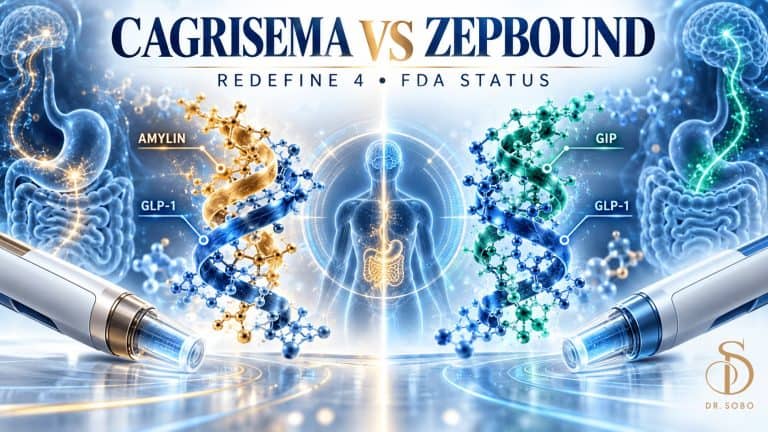
REDEFINE 4 Results: CagriSema vs. Tirzepatide, Weight Loss, and FDA Status
Phase 3 head-to-head results and an anticipated late-2026 FDA decision create strong news and comparison intent. This article was evidence-checked on September 6, 2026. Regulatory status, labels, and trial publications
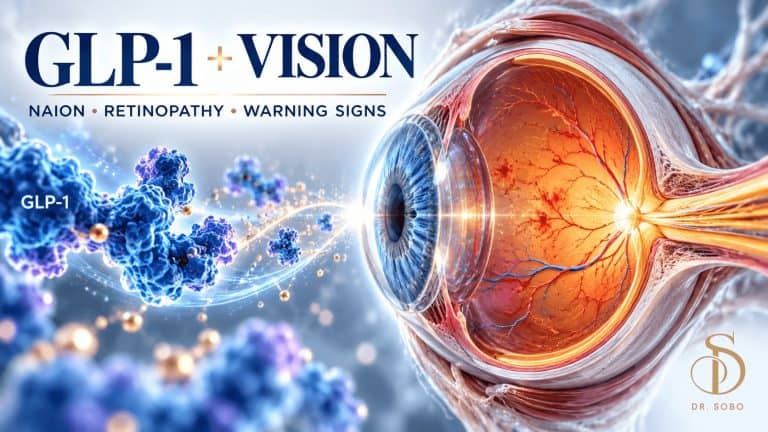
GLP-1 Medications and Vision Changes: NAION, Retinopathy, and Warning Signs
Regulatory safety updates and new observational research are driving urgent patient questions about vision loss. This article was evidence-checked on September 6, 2026. Regulatory status, labels, and trial publications can
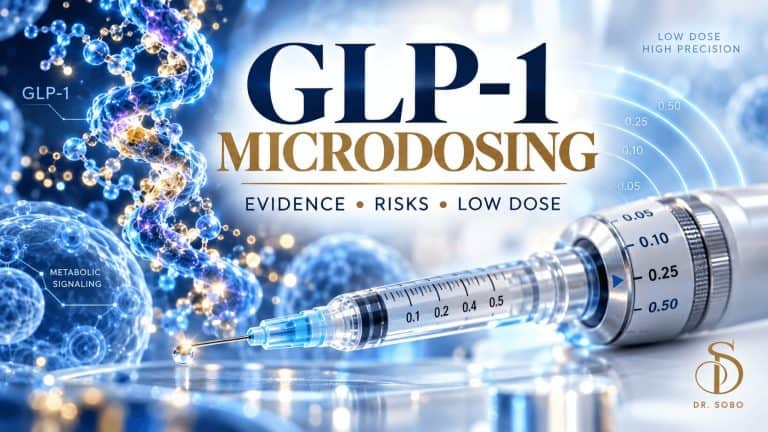
GLP-1 Microdosing: Evidence, Risks, and What “Low Dose” Really Means
Evidence review date: September 6, 2026. GLP-1 microdosing has attracted substantial consumer and telehealth interest, but direct clinical-trial evidence remains limited. Medication approvals, prescribing information, safety communications, and clinical evidence
Sources
- American Academy of Allergy, Asthma & Immunology: Mast Cell Activation Syndrome (MCAS)
- AAAAI Mast Cell Disorders Committee Work Group Report
- MCAS, Evaluation and Diagnosis — AAAAI Ask the Expert
- Impact of Polyphenols on Mast Cells with Special Emphasis on Quercetin
- Quercetin with the Potential Effect on Allergic Diseases
- Recent Advances in Potential Health Benefits of Quercetin
- Quercetin as a Therapeutic Product: Evaluation of Its Pharmacological Properties and Clinical Applications
