
If you suffer from Mast Cell Activation Syndrome (MCAS), you’re likely familiar with the endless search for relief. From antihistamines to elimination diets, managing symptoms can be complex and frustrating. One promising new option that’s gaining traction in integrative medicine is IV quercetin. But what exactly is it, how does it work, and why are more MCAS patients turning to this therapy?
What Is Quercetin?
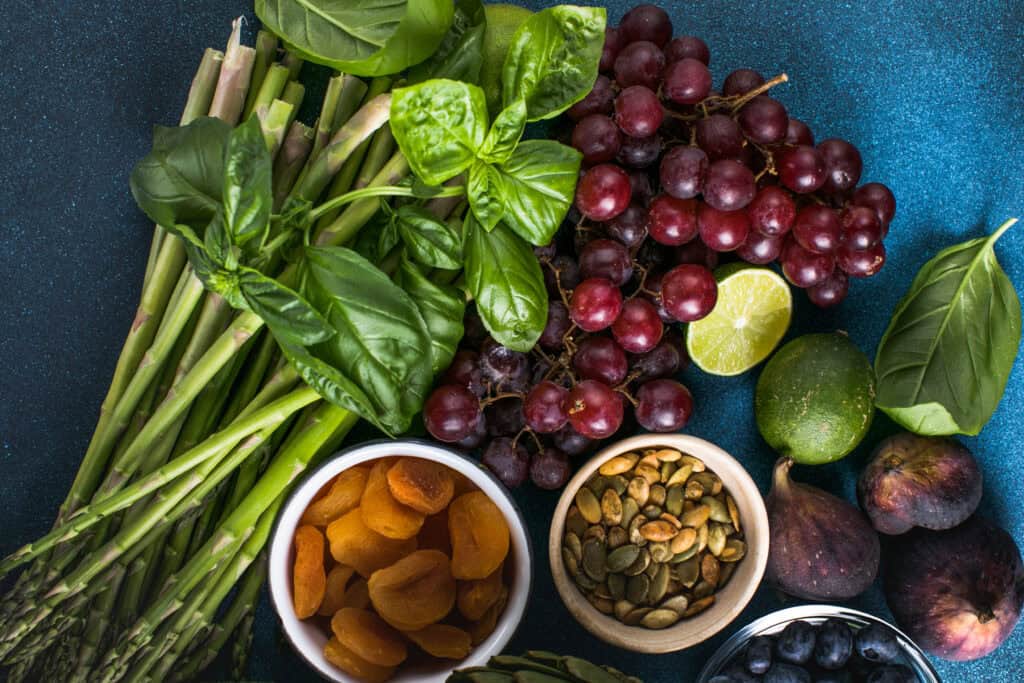
Quercetin is a natural plant compound (a flavonoid) found in many fruits, vegetables, and herbs, including onions, apples, berries, and kale. It’s well known for its antioxidant, anti-inflammatory, and anti-histamine properties. For years, people have used oral quercetin supplements to help reduce allergy symptoms, boost immune health, and lower inflammation. However, oral forms of quercetin are poorly absorbed by the body—with bioavailability estimated at less than 2%. That’s where IV administration makes a difference.
How Quercetin Helps with MCAS
Intravenous (IV) quercetin goes straight into the bloodstream. This means it skips the digestive tract. This method leads to higher plasma levels, quick effects, and better treatment options. This is crucial for conditions like MCAS, where timing and bioavailability are key.
MCAS is a chronic condition in which mast cells inappropriately release histamine and other inflammatory mediators in response to triggers. This leads to a wide range of symptoms: rashes, hives, brain fog, gastrointestinal issues, fatigue, and more.
Quercetin works in several important ways to support MCAS patients:
- Mast Cell Stabilization: Quercetin helps stabilize mast cells, reducing the release of histamine, prostaglandins, and leukotrienes.
- Anti-Inflammatory Effects: It inhibits key inflammatory cytokines like IL-6 and TNF-alpha.
- Antioxidant Properties: Helps reduce oxidative stress, which can trigger or worsen mast cell activation.
For many patients with MCAS, oral quercetin simply doesn’t deliver the potency needed to effectively reduce symptoms. IV quercetin can provide a faster and more powerful solution.
Key Benefits of IV Quercetin Therapy
- Faster Symptom Relief :Rapid reduction of histamine-driven symptoms such as itching, headaches, and flushing.
- Improved Bioavailability: IV delivery significantly enhances the amount of quercetin that reaches your tissues.
- Decreased Inflammation: Systemic inflammation, common in MCAS, may be better managed with therapeutic IV dosing.
- Comprehensive Immune Support: Quercetin’s immune-modulating effects can help reduce immune hypersensitivity and improve resilience.
Complementary with Other Therapies: IV quercetin can be used alongside antihistamines, low-histamine diets, and DAO enzyme support.
Is IV Quercetin Safe?
IV quercetin is generally well-tolerated when administered by a qualified healthcare provider. Some key safety considerations:
- Clinical Monitoring: As with all IV treatments, it should be done under medical supervision with appropriate dosing and lab monitoring.
- Drug Interactions: Quercetin may interact with certain medications (e.g., antibiotics, blood thinners, chemotherapy agents) through CYP enzyme modulation.
- Allergic Reactions: Rare but possible; a slow infusion rate and observation period are often used to minimize risks.
However, like any supplement, there are considerations:
- Mild Side Effects: Doses exceeding 1000 mg per day may lead to mild side effects such as headaches, stomach aches, or tingling sensations in the arms and legs.
- Kidney Health: High doses of quercetin have been linked to potential kidney damage, emphasizing the importance of adhering to recommended dosages and consulting a healthcare professional.
- Pregnancy and Breastfeeding: While safe in food, there’s a lack of sufficient studies on the safety of quercetin supplements during pregnancy and breastfeeding. It’s generally advised to avoid them in these periods.
- Medication Interactions: Quercetin can interact with certain medications, including antibiotics (particularly quinolone antibiotics), blood thinners, and immunosuppressants (like Cyclosporine). It may also affect how quickly the liver breaks down certain medications. Always consult a healthcare provider before starting quercetin, especially if you are on other medications.
In clinical settings, patients often receive IV quercetin as part of a broader integrative treatment plan for MCAS or related conditions like chronic Lyme disease, fibromyalgia, or autoimmune disorders.
Real-World Use: How IV Quercetin Is Administered
At our clinic, IV quercetin is typically offered in therapeutic doses customized to your condition, symptoms, and lab results. A typical session lasts 30 to 60 minutes. Depending on your response, it may be recommended weekly or bi-weekly initially, then tapered over time. Patients often begin noticing improvements in energy, focus, gut comfort, and allergic responses within the first few sessions.
Who Is a Good Candidate for IV Quercetin?
You might be a good candidate if:
- You have a confirmed or suspected diagnosis of MCAS or histamine intolerance
- Oral antihistamines aren’t enough or cause side effects
- You’re seeking a natural adjunct to your existing MCAS treatment plan
- You’ve already tried oral quercetin with limited success
Bottom Line: IV Quercetin as a Promising Option for MCAS Relief
Schedule Your Consultation Today
While IV quercetin isn’t a cure, it represents a powerful and natural tool in managing complex mast cell-related symptoms. By stabilizing mast cells, calming inflammation, and improving antioxidant defenses, it may offer much-needed relief to those who feel stuck or overwhelmed by their condition. If you’re ready to explore IV quercetin as part of your MCAS care plan, we’re here to help.
Dr. Sobo and our integrative care team have helped hundreds of patients manage chronic, complex conditions like MCAS. If you’re interested in learning whether IV quercetin is right for you, we invite you to book a personalized consultation today. Schedule your appointment now and let us help you take the next step toward relief and healing.
