
Vitamin C IVs for Detoxifying the Body: What Detox Really Means, When IV Therapy May Help, and What Patients in Stamford, CT Should Know
The word “detox” is used so loosely in wellness marketing that it often loses all meaning. Some people use it to describe a short-term reset after a stressful week. Others use it when they feel inflamed, run down, sluggish, or slow to recover. In medicine, detoxification is a more specific idea. The body already has built-in detoxification systems, primarily through the liver, kidneys, lungs, skin, and gastrointestinal tract. The scientific question is not whether the body “needs a cleanse” in the marketing sense. The better question is whether a patient may benefit from support for hydration, antioxidant defense, recovery, or, in true toxic exposure cases, medically directed treatment such as removing the source of exposure and sometimes chelation.
That distinction matters when discussing vitamin C IVs and detoxifying the body. Vitamin C is a real and biologically important nutrient. It functions as an antioxidant, supports collagen production, contributes to wound healing, and helps regenerate other antioxidants in the body. It is also frequently discussed in connection with oxidative stress and toxic exposures.
At the same time, vitamin C should not be misrepresented as a universal toxin remover. In true heavy-metal poisoning or confirmed toxic exposure, standard treatment often focuses first on identifying and stopping the exposure, then using evidence-based medical treatment when necessary, including chelation in specific cases.
For patients in Stamford and surrounding Connecticut communities, this topic has real relevance. Many adults are not worried about dramatic industrial poisoning. They are looking for support when they feel inflamed, depleted, exposed to chronic stress, or slow to recover. Others are specifically interested in antioxidant support, environmental wellness, and physician-guided therapies such as IV therapy, IV drip therapy in Stamford, high-dose intravenous vitamin C treatment, and chelation therapy.
What “Detox” Means in a Medical Context
In wellness culture, detox can mean almost anything: drinking juices, fasting, buying supplements, or doing a short reset. In medical care, the term should be used more precisely. There are several different conversations that often get blended together:
- Normal body detoxification, which the liver and kidneys already do continuously
- Supportive wellness care, which may include hydration, antioxidant support, and recovery-focused IV therapy
- True toxic exposure treatment, which may require source removal, diagnostic testing, and in some cases chelation or other medical management
Vitamin C IV therapy fits most naturally into the second category and only selectively into the third.
Why Vitamin C Is Discussed in Detox and Toxin-Support Conversations
Vitamin C remains central to these conversations because it has genuine antioxidant and tissue-support roles. It contributes to collagen synthesis, supports wound healing, and helps protect the body against oxidative stress.
That does not mean vitamin C directly chelates every toxin or removes metals from the body the same way EDTA or other chelators can. The more accurate explanation is that vitamin C may help support the body during oxidative stress, inflammation, and recovery, while chelation therapy is the more specific treatment used when toxic metal burden is confirmed and treatment is indicated.
Vitamin C may:
- Help counter oxidative stress
- Support tissues under inflammatory or toxic stress
- Contribute to recovery and resilience
- Be used alongside broader physician-guided wellness or detox-support protocols
It should not be presented as interchangeable with true heavy-metal detoxification in medically confirmed poisoning.
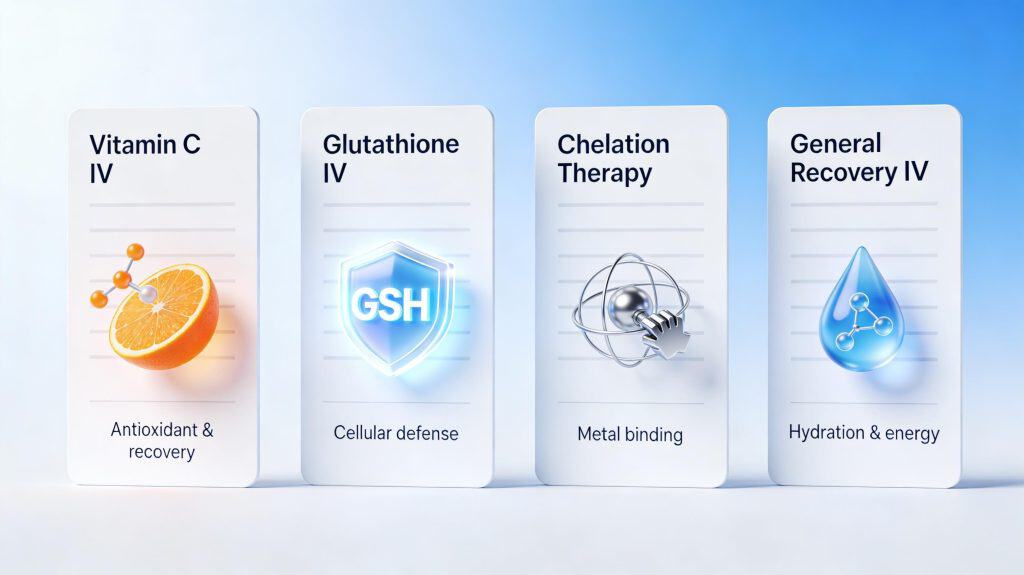
Detox Support vs. Chelation: The Difference Patients Need to Understand
Chelation therapy is not vague wellness language. It is a specific medical process in which a drug binds to certain metals so they can be removed from the body.
Vitamin C IVs may support antioxidant defense, recovery, and detox-support wellness goals. Chelation therapy is the more specific medical option when toxic metal burden is confirmed and treatment is indicated.
This distinction is important because many readers are trying to understand whether a vitamin C IV, an immune-recovery IV, or chelation is the right conversation for their symptoms.
Why Patients Seek Vitamin C IVs for “Detox” in Real Life
Most patients who search for detox support are not doing so because they were diagnosed with acute arsenic poisoning. They are usually looking for answers to more everyday concerns:
- Feeling run down and inflamed
- Slow recovery after illness
- Poor resilience during stressful periods
- Concern about environmental exposures
- Brain fog, fatigue, and a sense of systemic overload
- Interest in antioxidant and wellness support
That is where vitamin C IV therapy becomes attractive. Unlike oral supplementation, IV therapy delivers hydration and selected nutrients directly into the bloodstream. In a physician-guided setting, vitamin C may be paired with hydration, zinc, glutathione, magnesium, or other ingredients depending on the overall goal.
Many patients use the word detox to describe a state of depletion. Vitamin C IV therapy often fits better as recovery support and antioxidant support than as a literal “flush toxins out” procedure.
Mercury, Lead, Arsenic, Cadmium, and Aluminum: How Vitamin C Fits the Conversation
Vitamin C is often discussed in relation to several toxic exposures because of its possible protective effects against oxidative stress.
Mercury
In mercury-related discussions, vitamin C is best understood as a supportive antioxidant rather than a stand-alone detox treatment. Management of mercury toxicity centers on removing the exposure source, supportive care, and, in symptomatic cases, consideration of chelation by experienced professionals.
Lead
Lead is one of the clearest areas where conventional medicine recognizes chelation when blood levels or symptoms warrant it. That makes lead a strong example of why vitamin C support should be distinguished from formal detox treatment.
Arsenic
If arsenic poisoning is suspected, standard evaluation and treatment take priority. Any discussion of vitamin C belongs in a supportive, oxidative-stress context rather than as the main treatment claim.
Cadmium
Cadmium exposure is another area where the right response depends on the exposure, the symptoms, and the patient’s clinical picture, not on taking a generalized detox supplement.
Aluminum
For aluminum, clinical care focuses on reducing exposure and, when appropriate, lowering body burden through properly directed treatment. Vitamin C may be discussed as part of antioxidant or supportive care, but it is not the same as definitive removal therapy.
A Better Way to Explain Vitamin C IV Detox Support
Vitamin C IVs are best described as a form of targeted support rather than exaggerated detox marketing.
That support may include:
- Antioxidant defense, especially during periods of high oxidative stress
- Tissue repair support, because vitamin C is involved in collagen synthesis and wound healing
- Hydration and recovery, when the formula includes fluids and other nutrients
- Adjunctive wellness support, especially in physician-guided plans focused on resilience, inflammation, and recovery
This is the most accurate way to explain how vitamin C fits into detox-support and wellness discussions.
Who May Be a Good Candidate for Vitamin C Detox-Support IV Therapy?
- Feel chronically run down or inflamed
- Want antioxidant support during high-stress periods
- Recover slowly after illness or intense travel
- Are dealing with fatigue, dehydration, and poor recovery
- Want physician-guided wellness support rather than doing a retail “cleanse”
- Are interested in broader protocols involving IV therapyor IV vitamin therapy benefits
- Are discussing detox support in the wellness sense, not self-diagnosing acute poisoning
Who Is Not a Good Candidate for a Simplistic Detox Approach?
A vague wellness-first approach is not enough for patients with signs of significant toxic exposure or more serious illness. Someone may need urgent or more direct medical evaluation if they have:
- Severe weakness or confusion
- Chest symptoms or shortness of breath
- Acute neurological symptoms
- Suspected occupational or environmental toxic exposure
- Very high concern for lead, mercury, arsenic, or other heavy-metal poisoning
- Persistent vomiting, dehydration, or inability to keep fluids down
- Kidney disease or stone history that changes treatment considerations
Formula Comparison: Vitamin C IV vs. Glutathione IV vs. Chelation vs. General Recovery IV
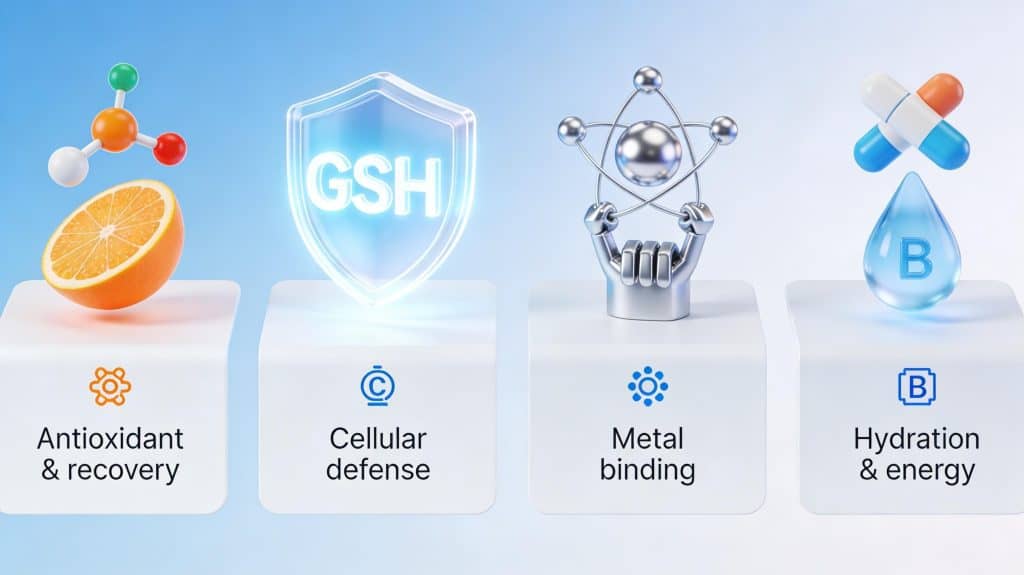
Patients often search “detox IV” without understanding that very different therapies fall under that umbrella.
Therapy Type | Common Ingredients | Primary Goal | Best-Fit Scenario |
Vitamin C IV | Vitamin C with fluids, sometimes paired nutrients | Antioxidant and recovery support | Patients seeking detox-support wellness care, oxidative-stress support, or recovery support |
Glutathione-Forward IV | Glutathione plus supporting nutrients | Antioxidant and cellular defense support | Patients focused on oxidative stress, inflammation, or broader wellness recovery |
General Recovery IV | Fluids, electrolytes, B vitamins, vitamin C, magnesium | Hydration and replenishment | Travel depletion, illness recovery, physically demanding weeks |
Chelation Therapy | EDTA or other chelators, often clinician-directed protocols | Binding and removal of certain toxic metals | Confirmed heavy-metal toxicity or medically indicated treatment |
Stamford, CT: Why This Topic Has Strong Local Search Intent
This topic has strong local relevance for Stamford and nearby Connecticut communities. Many adults in the area deal with:
- Long commutes
- Demanding office schedules
- Business travel
- Stress-related burnout
- Poor sleep
- Recovery challenges after illness or overwork
- Interest in physician-guided wellness rather than generic spa treatments
Someone searching locally is rarely looking for an academic toxicology lecture. They are usually trying to answer practical questions:
- Can a vitamin C IV help me feel less inflamed or run down?
- What is the difference between a detox IV and chelation?
- Does antioxidant IV therapy make sense after stress, travel, or illness?
- Where can I find IV drip therapy in Stamfordor a more advanced chelation therapy discussion?
A Deeper Stamford-Local Treatment Section
In Stamford, detox concerns are often less about a dramatic poisoning story and more about the way modern life accumulates stress on the body. A demanding week at work becomes several late nights, rushed meals, more caffeine, less hydration, business travel, poor sleep, and a lingering sense of inflammation or brain fog. Many patients describe this as feeling overloaded even when what they really mean is under-recovered.
That is where vitamin C IV therapy becomes appealing. It offers a more structured option than retail detox products or at-home cleanses. A patient who feels physically depleted may benefit from hydration plus vitamin C support. Another may be more appropriate for a broader antioxidant or recovery formula. Someone with a genuine concern about toxic metal burden may need to shift the conversation toward chelation therapy and proper medical evaluation.
This local treatment context also connects naturally to:
Why Physician Guidance Matters
Vitamin C is familiar, but IV therapy is still a real intervention. Chelation is even more specialized.
A physician-guided approach helps determine:
- Whether the patient is describing dehydration, oxidative stress, or a true toxic exposure concern
- Whether hydration and antioxidant support are enough
- Whether labs, source identification, or referral are more appropriate
- Whether chelation belongs in the discussion
- How to screen for contraindications and risk factors
This is one of the key differences between medically supervised IV therapy and generic detox-drip marketing.
Vitamin C Detox Support Works Best as Part of a Bigger Plan
The best long-term results usually come from combining supportive therapy with fundamentals:
- Better hydration
- Nutrient-dense food
- Less alcohol excess
- Improved sleep
- Stress management
- Exercise and recovery balance
- Reducing exposure where possible
- Medical evaluation when symptoms point to more than simple burnout
Vitamin C IVs can fit into that broader plan. They may help support recovery, antioxidant balance, and resilience during demanding periods. But they work best when they are one part of a smarter overall strategy rather than a stand-alone promise to “flush toxins.”
Final Thoughts
Final Thoughts
Vitamin C IVs for detoxifying the body are best understood through a more precise lens. Vitamin C is a meaningful antioxidant and recovery-support nutrient. It may help support the body during oxidative stress, inflammation, and periods of depletion. It also has a logical place in physician-guided detox-support and wellness protocols. But it should not be oversold as a universal toxin remover or confused with true chelation therapy.
For patients in Stamford and nearby Connecticut communities, the most useful question is not whether detox is trendy. It is whether the symptoms, goals, and exposure concerns point toward hydration and antioxidant support, a broader IV recovery plan, or a more focused medical evaluation. When used thoughtfully and in the right setting, vitamin C IV therapy can be a meaningful part of that conversation.
Frequently Asked Questions
What does “detox” really mean in a medical setting?
In medicine, detox is not just a marketing term for a cleanse. It can refer to the body’s normal detoxification systems, such as the liver and kidneys, or to specific medical treatments used when someone has a confirmed toxic exposure. That means the word detox should always be defined by context rather than assumed to mean one single therapy.
Can vitamin C remove toxins from the body?
Vitamin C should not be described as a universal toxin remover. It is more accurate to say that vitamin C supports antioxidant defense, tissue repair, and recovery, which may be helpful when the body is under oxidative or inflammatory stress. It is supportive therapy, not a replacement for formal chelation when toxic metal removal is medically indicated.
What is the difference between a vitamin C IV and chelation therapy?
A vitamin C IV is generally used for antioxidant support, recovery support, hydration support, and broader wellness goals. Chelation therapy is a specific medical treatment in which a drug binds certain metals so they can be removed from the body. The two may both appear in detox conversations, but they are not the same therapy.
Who may be a good candidate for a vitamin C detox-support IV?
A good candidate may be someone who feels run down, dehydrated, inflamed, or slow to recover after stress, travel, illness, or physically demanding weeks. Patients seeking physician-guided antioxidant or recovery support rather than a retail cleanse may also be appropriate candidates.
Who is not a good candidate for a simple detox IV approach?
Someone with suspected heavy-metal poisoning, severe neurological symptoms, persistent vomiting, chest symptoms, shortness of breath, acute occupational exposure, or significant kidney concerns may need more direct medical evaluation instead of starting with a wellness IV.
Does vitamin C help with heavy metals like mercury or lead?
It may have supportive value in relation to oxidative stress and recovery, but for confirmed mercury or lead toxicity, modern treatment focuses first on removing the source of exposure and using evidence-based medical management, including chelation when indicated.
Are detox cleanses and detox IVs the same thing?
No. Most consumer detox cleanses are marketed wellness products. A detox-support IV in a physician-guided setting is more likely to focus on hydration, antioxidant support, and recovery. Neither should be confused with formal medical detoxification for toxic metals or poisoning.
Why is vitamin C often paired with glutathione or other nutrients in detox-support formulas?
Because many patients seeking detox support are also dealing with dehydration, oxidative stress, poor recovery, or generalized depletion. A broader formula can address more than one issue at once while keeping vitamin C central to the treatment plan.
Is vitamin C IV therapy enough on its own?
Usually not. Vitamin C IV therapy works best as part of a broader plan that may include hydration, sleep improvement, better nutrition, reduced exposure where possible, and medical evaluation when symptoms suggest more than ordinary burnout.
Why does this topic matter in Stamford and Connecticut?
Because many adults in Stamford deal with high stress, commuting, travel, poor sleep, inflammation, illness recovery, and under-recovery after demanding weeks. That makes vitamin C IV therapy a practical local wellness topic, especially when paired with clear education about when recovery support is appropriate and when more specific treatment belongs in the discussion.
Sources
Vitamin C — Health Professional Fact Sheet, NIH Office of Dietary Supplements
Lead Poisoning — Diagnosis & Treatment, Mayo Clinic
Chelation Therapy for Heavy Metal Poisoning, MSD Manual Professional Edition
ATSDR Medical Management Guidelines: Mercury
Arsenic Toxicity: How Should Patients Overexposed to Arsenic Be Treated?, ATSDR
Cadmium Toxicity: How Should Patients Exposed to Cadmium Be Treated and Managed?, ATSDR
“Detoxes” and “Cleanses”: What You Need To Know, NCCIH
Vitamin C Medical Encyclopedia, MedlinePlus
Sources
Vitamin C — Health Professional Fact Sheet, NIH Office of Dietary Supplements
Lead Poisoning — Diagnosis & Treatment, Mayo Clinic
Chelation Therapy for Heavy Metal Poisoning, MSD Manual Professional Edition
ATSDR Medical Management Guidelines: Mercury
Arsenic Toxicity: How Should Patients Overexposed to Arsenic Be Treated?, ATSDR
Cadmium Toxicity: How Should Patients Exposed to Cadmium Be Treated and Managed?, ATSDR
“Detoxes” and “Cleanses”: What You Need To Know, NCCIH
Vitamin C Medical Encyclopedia, MedlinePlus
