
By Dr. Henry Sobo, MD – Medical Weight Loss, Functional & Hormone Therapy, Connecticut
PRP for Sports Recovery: How Platelet Therapy Helps Active Adults Heal Faster
For active adults in Connecticut, PRP sports recovery therapy uses your own concentrated platelets to help injured tendons, ligaments, and joints heal more efficiently so you can return to activity sooner, often with less reliance on pain medications or surgery. In our clinic, PRP sports recovery Connecticut programs are designed to support natural tissue repair—not to “mask” pain—by targeting the biology of healing at the exact site of injury under guided medical supervision.
TL;DR – PRP Sports Recovery in Connecticut
PRP (platelet‑rich plasma) therapy uses a concentrated portion of your own blood to deliver growth factors directly to injured tendons, ligaments, or joints.
In sports recovery, PRP may help reduce pain and support faster or more complete healing in certain overuse and tendon injuries, especially when combined with proper rehabilitation.
In our Connecticut clinic, active adults choose PRP when rest, physical therapy, and medications have not fully resolved pain but they want to avoid or delay surgery when appropriate.
Evidence suggests PRP can improve function and pain in selected tendon and joint problems, but results vary and not every patient or injury responds the same way.
What Is PRP and How Does It Support Sports Recovery?
PRP, or platelet‑rich plasma, is a treatment created from your own blood, concentrated so that platelets and their growth factors are several times higher than in normal circulation. Platelets release signaling proteins that help coordinate tissue repair, new blood vessel growth, and the remodeling that must occur for a tendon or ligament to become stronger after injury.
For sports injuries, PRP is typically injected directly into the damaged tissue—such as a tendon, ligament, or joint—under careful technique. The goal is not simply to numb the area but to stimulate the body’s own healing response where it is needed most. In many studies, particularly for stubborn tendinopathies, PRP has been associated with improved pain scores and better function over months, especially when paired with a structured rehabilitation program.
How Does PRP Sports Recovery Connecticut Treatment Work?
In our Stamford, Connecticut office, a PRP sports recovery treatment begins with a simple blood draw, much like routine laboratory testing. The blood sample is then spun in a centrifuge to separate platelets and plasma from red and white blood cells, producing a solution in which platelets are several-fold more concentrated than in baseline blood.
Once prepared, the PRP is drawn into a syringe and carefully injected into the area of injury, such as a painful knee tendon, Achilles tendon, or strained muscle. Because PRP is derived from your own blood (autologous), the risk of allergic reaction or immune rejection is very low compared with many other injectable treatments. After treatment, we typically recommend a short rest period followed by a guided return to activity, often in collaboration with physical therapy, to promote healthy remodeling of the tissue as it heals.
Which Sports Injuries Might PRP Help With?
Evidence for PRP in sports recovery is strongest in certain chronic tendon problems that have not responded to rest and rehabilitation alone. Examples in athletes and active adults include patellar tendinopathy (“jumper’s knee”), tennis elbow, some forms of Achilles tendinopathy, and stubborn shoulder or hip tendon pain.
In our clinic, we often consider PRP when:
Pain has persisted for months despite structured physical therapy
Imaging suggests a tendon or soft‑tissue injury rather than complete rupture
Anti‑inflammatory medications, bracing, and activity modification have not been enough
The patient wishes to explore non‑surgical options before considering an operation
Some studies show meaningful improvement in pain and function, and MRI scans in certain cohorts have documented improved tendon structure several months after PRP. At the same time, results are not identical in every study or every patient, so we position PRP as a promising, but not guaranteed, tool within a comprehensive sports recovery plan.
What Does the Research Say About PRP for Athletes?
Research on PRP in sports medicine has grown rapidly, and the findings are nuanced. Reviews of tendon injuries suggest that PRP can enhance healing in many in‑vivo models and may improve symptoms in chronic tendinopathy, particularly when other conservative measures have failed. At the same time, some randomized trials in specific conditions, such as chronic Achilles tendinopathy, have shown mixed or modest differences compared with control treatments.
In practical terms, this means PRP should be recommended thoughtfully, with clear expectations. In our Connecticut clinic, I explain to athletes that PRP is not a “magic injection,” but rather a way to enhance the body’s own repair mechanisms while we continue to support proper loading, strength, mobility, and recovery habits around the injured area. Many active adults appreciate that PRP is grounded in the biology of healing and uses their own blood rather than synthetic substances, even while we acknowledge that individual results vary.

Ready to Start a Plan That Works?
If you have questions about PRP for Sports Recovery and reside in Connecticut, Greenwich, or Norwalk area, contact us today. We focus on combining safe, effective medication with a realistic lifestyle plan.
For broader options, see our PRP Treatments page.
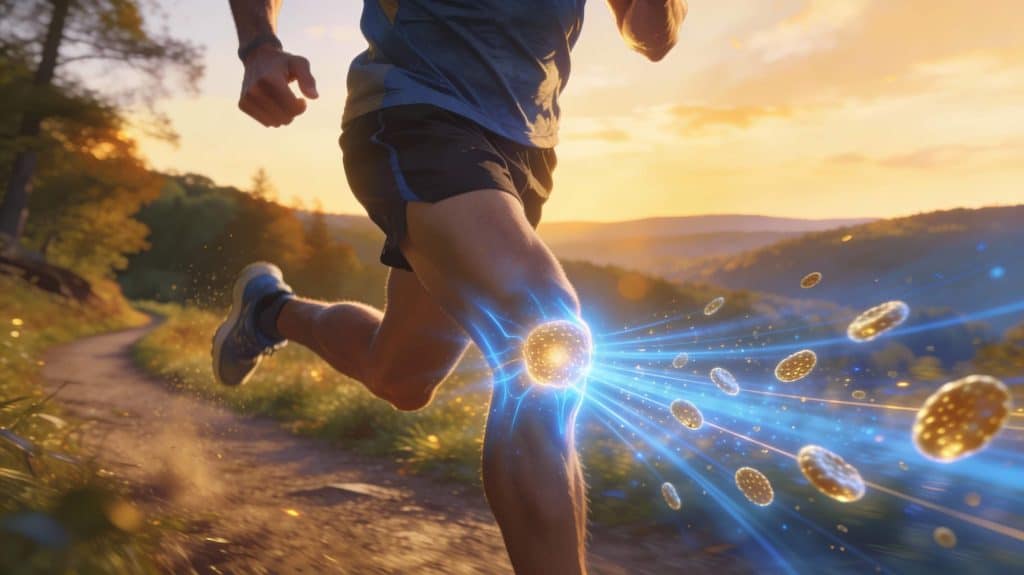
How Does PRP Compare to Steroid Injections or Surgery?
Corticosteroid injections have long been used to reduce pain and inflammation in joints and soft tissues, but repeated use can sometimes weaken tendon tissue or accelerate cartilage wear in certain situations. Steroid injections are often more about short‑term symptom relief than long‑term tissue repair, which is why pain can return once the effect wears off.
PRP, by contrast, aims to support tissue healing and remodeling, although pain relief may take longer to appear and is not guaranteed. Surgery is sometimes necessary, especially when there is a complete tear or structural damage that cannot heal on its own, but many athletes prefer to exhaust less invasive options before proceeding to an operation. In our practice, we view PRP as one important option in the gap between conservative care and surgery, especially for active adults who want to stay in their sport if it can be done safely.
What Does PRP Sports Recovery Feel Like for Active Adults?
From a patient’s perspective, a PRP session feels similar to a combination of a blood draw and a targeted injection. There may be some discomfort at the injection site, and many people describe a temporary increase in soreness for several days as the body mounts a healing response in the treated tissue. We generally recommend avoiding anti‑inflammatory medications during this period because they can theoretically blunt the very response we are trying to stimulate.
In our Connecticut clinic, we frequently treat “weekend warriors,” recreational runners, tennis players, golfers, and active professionals who value rapid but safe return to activity. I have observed that those who follow post‑treatment guidelines—respecting the short rest window, gradually reintroducing load, and keeping up with their strengthening exercises—tend to report the best outcomes over the following months.
Who Is (and Isn’t) a Good Candidate for PRP Sports Recovery Connecticut?
Not every sports injury or every athlete is an ideal candidate for PRP. In general, we consider PRP more strongly when the injury is chronic (lasting several months), has not fully responded to appropriate conservative care, and imaging suggests a degenerative or inflammatory tendon issue rather than a full rupture.
In our clinic, we evaluate:
The specific structure involved (tendon, ligament, joint surface)
The severity and chronicity of the injury
Other medical conditions and medications that may affect healing
Patient goals, timeline, and willingness to follow rehab recommendations
There are also situations where PRP may not be appropriate—for example, certain blood disorders, severe platelet dysfunction, active infections, or when urgent surgical repair is clearly indicated. A thorough consultation and review of your medical history are essential before any sports recovery injection is planned.
How PRP Fits into a Complete Sports Recovery Plan
The most successful PRP sports recovery plans rarely rely on the injection alone. Just as important are the rehabilitation steps before and after treatment, which gradually re‑introduce load to the healing tissue so it can become stronger and more resilient.
In our Connecticut practice, that often means:
Collaboration with physical therapy or athletic training
Customized guidance on when to rest, when to walk, and when to resume sport‑specific drills
Attention to sleep, nutrition, and overall training load to avoid re‑injury
Periodic reassessment of pain, function, and, when needed, imaging
In my experience, athletes who see PRP as part of a broader performance and recovery strategy—not just a quick fix—are more likely to be satisfied with their long‑term results.
This article was written to reflect my practical experience using PRP therapies for joint and soft‑tissue pain in Connecticut, combined with current sports medicine and regenerative medicine research on platelet‑rich plasma. Evidence cited about tendon healing, sports outcomes, and treatment comparisons draws on peer‑reviewed studies and expert reviews from established orthopedic and sports medicine sources. The content was medically reviewed for accuracy, appropriate risk–benefit framing, and alignment with safe, evidence‑based sports recovery care.
FAQs – PRP for Sports Recovery in Connecticut
What makes PRP sports recovery Connecticut different from standard pain injections?
PRP sports recovery treatments in Connecticut use your own concentrated platelets to deliver growth factors directly into injured tissue, with the goal of promoting healing rather than simply blocking pain. Standard pain injections, such as corticosteroids, primarily reduce inflammation and discomfort but may not provide the same regenerative stimulus, and repeated use can carry separate risks in some tissues.
How soon can I return to my sport after PRP treatment?
Return‑to‑sport timing varies based on the injury and your sport, but many athletes begin gradual, supervised activity within weeks, with improvements often continuing over several months. In our clinic, we design a stepwise plan with clear milestones—such as walking without pain, basic strengthening, then sport‑specific drills—before full competition is recommended.
Is PRP approved and widely used in sports medicine?
PRP has become widely used in sports medicine and orthopedics as a regenerative option for select tendon, ligament, and joint issues, though formal regulatory approval may vary by indication. Many professional and recreational athletes have received PRP for chronic tendon problems or joint pain, but guidelines emphasize that it should be used thoughtfully, with appropriate diagnosis and follow‑up.
Are there risks or side effects with PRP sports recovery?
Because PRP is made from your own blood, the risk of allergic reaction is low, but side effects can include temporary pain, swelling, stiffness, or bruising at the injection site. Very rare risks, such as infection or tissue damage, can occur with any injection, which is why sterile technique and experienced medical supervision are important.
How do I know if PRP sports recovery Connecticut is right for me?
The best way to decide is to schedule a consultation with a clinic that offers PRP and comprehensive sports injury evaluation, including history, examination, and, when appropriate, imaging. During that visit, you can review your diagnosis, prior treatments, sport demands, and goals to determine whether PRP fits into a safe, realistic plan to help you heal and return to the activities you enjoy.
Sources
- PRP treatment efficacy for tendinopathy – NIH review
- Platelet-rich plasma injection for chronic Achilles tendinopathy – JAMA
- Evidence for PRP in patellar tendinopathy – ClinMed Journals
- PRP for tendon injuries: what the latest research shows – Orthopedic sports medicine review
- Platelet-rich plasma for sports health – Hartford HealthCare
- PRP therapy in Connecticut – educational overview

Read more our posts...
REDEFINE 4 Results: CagriSema vs. Tirzepatide, Weight Loss, and FDA Status
Phase 3 head-to-head results and an anticipated late-2026 FDA decision create strong news and comparison intent. This article was evidence-checked on September 6, 2026. Regulatory status, labels, and trial publications

GLP-1 Medications and Vision Changes: NAION, Retinopathy, and Warning Signs
Regulatory safety updates and new observational research are driving urgent patient questions about vision loss. This article was evidence-checked on September 6, 2026. Regulatory status, labels, and trial publications can
GLP-1 Microdosing: Evidence, Risks, and What “Low Dose” Really Means
Evidence review date: September 6, 2026. GLP-1 microdosing has attracted substantial consumer and telehealth interest, but direct clinical-trial evidence remains limited. Medication approvals, prescribing information, safety communications, and clinical evidence