
By Dr. Henry Sobo, MD – Medical Weight Loss, Functional & Hormone Therapy, Connecticut
The Impact of Chronic Inflammation on Longevity and Cognitive Health in Connecticut
Most people think of inflammation as something they can feel—like a swollen joint, a rash, or a sore throat—but the more serious risk is the chronic, low‑grade inflammation that smolders silently for years. Research now links this type of systemic inflammation to accelerated aging, higher risk of chronic disease, and an increased likelihood of memory problems and cognitive decline.
In my Stamford, Connecticut practice, I often see patients who “feel older than their age,” struggle with brain fog, or notice subtle changes in mood, energy, and concentration. Their routine labs may look “normal,” yet more advanced testing reveals elevated inflammatory markers and oxidative stress. The goal of a functional and integrative approach is to identify this chronic inflammation early—and to use targeted lifestyle, nutritional, and medical interventions to protect both longevity and cognitive health over the long term.
What Is Chronic Systemic Inflammation?
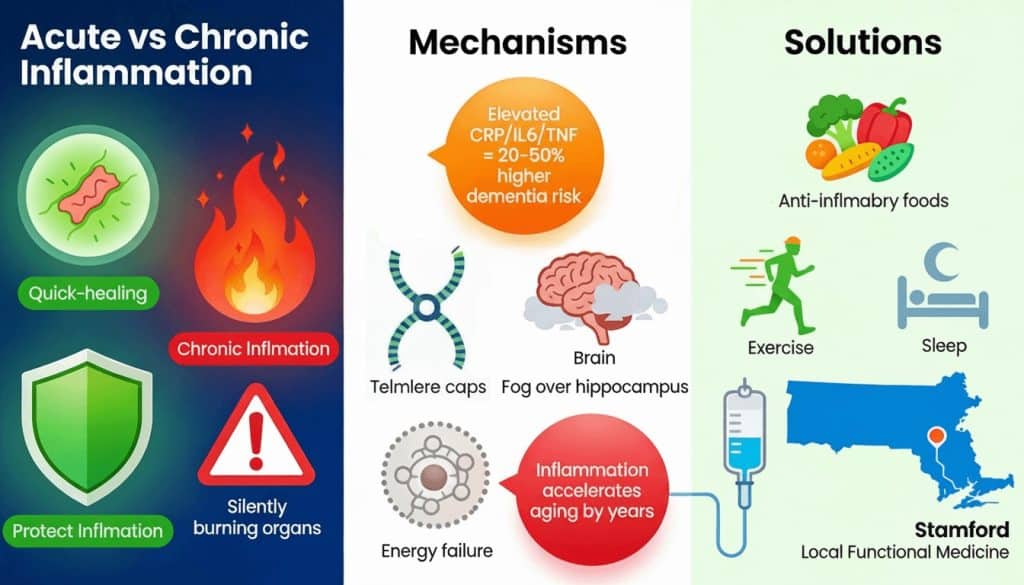
Acute inflammation is your body’s short‑term repair response to injury or infection. It is necessary and protective, and in a healthy system it resolves on its own once healing is complete. Chronic systemic inflammation is very different. It describes a low‑grade, persistent immune activation that continues even when there is no obvious infection or injury—sometimes for years or decades.
This ongoing inflammatory “background noise” can damage tissues, disrupt cell signaling, and contribute to oxidative stress throughout the body. Over time, this process is now considered a hallmark of aging and is strongly associated with cardiovascular disease, diabetes, cancer, frailty, and neurodegenerative diseases such as Alzheimer’s and other dementias.
In functional medicine, we pay close attention to this chronic inflammation because it affects both how long you live and how well your brain and body function as you age. For patients in Connecticut who are concerned about longevity and cognitive health, measuring and addressing systemic inflammation is a central part of an anti‑aging strategy.
How Chronic Inflammation Accelerates Aging and Shortens Health span
Aging is not only about the number of years you live; it is also about health span—the number of years you remain active, independent, and mentally sharp. Chronic inflammation influences the biology of aging at multiple levels.
Key mechanisms described in scientific literature include:
- Telomere shortening: Inflammatory and oxidative stress accelerate shortening of telomeres, the protective caps on your chromosomes, which is associated with faster biological aging and age‑related disease.
- Mitochondrial dysfunction: Persistent inflammatory signaling impairs mitochondrial energy production, contributing to fatigue, reduced exercise tolerance, and greater vulnerability to chronic illness.
- Immunosenescence: As we age, the immune system becomes less flexible and more inflammatory, creating a cycle in which chronic inflammation further accelerates immune aging.
Large population studies show that higher levels of systemic inflammatory markers are associated with worse physical function, slower gait speed, and more rapid decline in the ability to perform daily activities. This is one reason why controlling chronic inflammation is so important for longevity in Connecticut: it is directly tied to preserving independence, strength, and quality of life, not just adding years to the calendar.
The Inflammation–Brain Connection: Why Cognitive Health Suffers
The brain is highly sensitive to inflammatory signals coming from the rest of the body. When systemic inflammation is elevated, it can drive neuroinflammation—an inflammatory state within the brain itself.
Research has shown that higher levels of inflammatory markers such as C‑reactive protein (CRP), interleukin‑6 (IL‑6), and tumor necrosis factor‑alpha (TNF‑α) are associated with lower scores on tests of memory, processing speed, and executive function. Studies in older adults link elevated inflammation and impaired immune function with a higher risk of mild cognitive impairment, dementia, and Alzheimer’s disease.
Potential effects of chronic inflammation on the brain include:
- Structural changes: Pro‑inflammatory signaling has been associated with shrinkage in brain regions important for memory, such as the hippocampus.
- Synaptic dysfunction: Experimental work suggests that repeated systemic inflammation can alter synaptic signaling and receptor function, interfering with learning and memory processes.
- Everyday cognition: Over time, this can show up as brain fog, slower thinking, word‑finding difficulty, and reduced mental stamina—symptoms that many patients notice long before serious disease is diagnosed.
From a clinical perspective, this means that chronic inflammation is an important, modifiable risk factor for cognitive aging. In our Stamford practice, we look closely at both systemic inflammatory markers and lifestyle factors when designing anti‑aging and brain‑health plans.

Ready to Start a Plan That Works?
If you have questions about Chronic Inflammation and Cognitive Health and reside in Connecticut, Greenwich, or Norwalk area, contact us today. We focus on combining safe, effective medication with a realistic lifestyle plan.
For broader options, see our Conditions Treated page.
Inflammatory Markers and Biomarkers of Aging I May Evaluate
A thorough evaluation for chronic inflammation and longevity often goes beyond basic laboratory tests. While the exact testing is individualized, common markers that may be considered include:
- High-sensitivity C‑reactive protein (hs‑CRP): A widely used marker of systemic inflammation; higher levels are associated with increased cardiovascular and cognitive risk.
- Pro‑inflammatory cytokines (IL‑6, TNF‑α and others): Elevated cytokines have been linked to poorer cognitive performance and greater age‑related memory decline.
- Fibrinogen and other coagulation-related markers: These can help identify a pro‑inflammatory, pro‑thrombotic state that affects vascular aging and brain blood flow.
- Oxidative stress and glutathione status: Components of the glutathione cycle have been studied as markers of biological age and immune resilience; altered glutathione balance is associated with age‑related diseases.
No single lab value determines your biological age or cognitive risk. Instead, we interpret these inflammatory markers in the context of your symptoms, lifestyle, family history, and other testing. The goal is to build a comprehensive picture of your inflammatory burden and to track improvement over time as we implement an anti‑inflammatory plan.
(Internal link suggestion: within this section, I will link a phrase such as “functional medicine evaluation” to your Integrative/Functional Medicine page at https://drsobo.com/integrative-medicine/.)
Integrative Strategies to Reduce Chronic Inflammation and Protect Longevity
Chronic inflammation is not something you “turn off” with a single pill or procedure. An effective plan combines lifestyle, targeted nutrients, and—in some cases—specialized therapies.
Core strategies often include:
- Anti‑inflammatory nutrition: Diets rich in colorful vegetables, fruits, high‑quality proteins, and omega‑3 fatty acids are associated with lower inflammatory markers and healthier brain aging.
- Metabolic balance and body composition: Excess visceral fat, insulin resistance, and metabolic syndrome are strongly tied to chronic inflammation and faster functional decline.
- Gut health: Imbalances in the gut microbiome and increased intestinal permeability can drive systemic inflammation; addressing digestion and gut health is a key functional medicine strategy.
- Sleep and stress: Poor sleep quality and chronic stress both increase inflammatory mediators and interfere with brain repair processes.
In our Connecticut office, we design step‑by‑step programs that address these root causes rather than simply masking symptoms. For many patients, this functional medicine approach becomes the foundation of their anti‑aging and cognitive health plan.
(Internal link suggestion: connect “functional medicine approach” or “integrative medicine” to https://drsobo.com/integrative-medicine/.)
The Role of IV Glutathione and Antioxidant Support
Glutathione is one of the body’s most important internal antioxidants, helping to neutralize free radicals, support detoxification, and maintain a healthy inflammatory balance. Research on components of the glutathione cycle suggests they may serve as markers of biological age and immune function, with lower or imbalanced glutathione associated with age‑related disease and immune dysregulation.
For some patients, intravenous (IV) glutathione can be a useful part of a broader anti‑inflammatory and longevity program. IV delivery provides a direct elevation of glutathione levels that is not always achievable with oral supplementation alone. In clinical practice, glutathione infusions are often used to support:
- Detoxification and to reduce oxidative stress.
- Immune balance in selected autoimmune and inflammatory conditions.
- Brain and nerve health as part of comprehensive cognitive support.
- General anti‑aging strategies focused on preserving energy and resilience.
IV glutathione is not a stand‑alone cure for chronic inflammation, but it can be a powerful adjunct when combined with the nutrition, lifestyle, and supplement strategies described above. Therapy decisions are individualized based on your medical history, lab findings, and overall goals.
Supporting Cognitive Health With Targeted Nutrients and Brain-Focused Care
To protect cognitive health, we look not only at inflammation but also at nutrient status and specific brain-supportive interventions. Studies show that certain nutrient patterns and supplements can be associated with slower cognitive decline. Research on magnesium L‑threonate, omega‑3 fatty acids, and antioxidant combinations suggests potential benefits for memory and cognition, particularly in older adults.
Depending on your individual case, a brain‑health plan may include:
- Targeted nutrients: For example, magnesium L‑threonate, omega‑3 fatty acids, and antioxidant formulations that have been studied for cognitive support.
- Lifestyle prescriptions: Physical activity, cognitive engagement, social connection, and sleep optimization, all of which are associated with healthier brain aging.
- Integration with anti‑inflammatory strategies: Because chronic inflammation and oxidative stress are so intertwined with cognitive decline, brain‑support protocols are most effective when they are paired with systemic inflammation reduction.
(Internal link suggestion: link “nutrients that support cognition” to one of your brain‑health supplement blogs, such as https://drsobo.com/blog/magnesium-threonate-for-the-nervous-system/ or https://drsobo.com/blog/nutrients-can-slow-cognitive-decline/.)
Considering a Functional Medicine Evaluation in Stamford, CT?
If you are noticing signs of accelerated aging, persistent fatigue, brain fog, or changes in memory, it may be appropriate to evaluate whether chronic inflammation is part of the picture. A functional and integrative medicine consultation can help you understand your inflammatory markers, your unique risk factors, and the steps you can take now to protect longevity and cognitive health.
In my Stamford, Connecticut practice, I work with patients to create personalized anti‑inflammatory plans that may include advanced testing, nutrition and lifestyle coaching, IV therapies such as glutathione, and targeted brain‑supportive supplements when appropriate. If you would like to explore how chronic inflammation may be affecting your health, you can contact my office to schedule a consultation and begin building a roadmap for healthy aging.
Medical Weight-Loss FAQs
What is chronic inflammation, and how is it different from acute inflammation?
Chronic inflammation is a low‑grade, persistent activation of the immune system that continues even when there is no obvious infection or injury. Acute inflammation, such as redness around a cut or swelling after an ankle sprain, is short‑term and resolves as healing completes. Chronic inflammation operates more silently, but over time it can damage tissues, accelerate aging, and increase the risk of conditions such as heart disease, diabetes, and cognitive decline.
How does chronic inflammation affect longevity?
Research suggests that higher levels of systemic inflammatory markers are associated with shorter health span, frailty, and increased risk of age‑related diseases. Inflammation can accelerate processes such as telomere shortening, mitochondrial dysfunction, and immune aging, all of which influence how quickly the body ages biologically. By identifying and lowering chronic inflammation, we aim to protect both lifespan and day‑to‑day function.
What is the connection between chronic inflammation and cognitive health?
Elevated inflammatory markers like CRP, IL‑6, and TNF‑α have been linked with poorer performance on memory and thinking tests, as well as a higher risk of mild cognitive impairment and dementia. Systemic inflammation can drive neuroinflammation, affecting brain structures involved in memory and processing speed and contributing to symptoms such as brain fog and slower thinking.
Which inflammatory markers are most important to check?
The choice of tests is individualized, but high‑sensitivity C‑reactive protein (hs‑CRP), selected cytokines such as IL‑6 and TNF‑α, fibrinogen, and markers of oxidative stress and glutathione status are commonly considered. These labs do not diagnose a specific disease by themselves, but they help us understand your inflammatory burden and track how it changes with treatment.
Can lifestyle changes lower chronic inflammation?
Yes. Studies show that anti‑inflammatory dietary patterns, regular physical activity, healthy sleep, stress reduction, and improved metabolic health can all help reduce systemic inflammation over time. In practice, we often see improvements in inflammatory markers when patients consistently apply these strategies alongside any medical therapies we recommend.
What is IV glutathione, and how might it help with inflammation and aging?
Glutathione is a key intracellular antioxidant that supports detoxification and helps maintain a healthy balance between oxidative stress and inflammation. Intravenous glutathione can raise tissue levels more directly than oral supplements and is sometimes used as part of programs for detoxification, immune balance, and anti‑aging support. It is not a stand‑alone solution, but it can complement nutrition, lifestyle, and other therapies in a comprehensive longevity plan.
How do nutrients and supplements fit into a cognitive health plan?
Certain nutrients—including omega‑3 fatty acids, antioxidants, magnesium L‑threonate, and other targeted formulations—have shown potential benefits for cognitive performance and may support healthy brain aging when combined with lifestyle and medical care. In our office, we select supplements based on your history, lab results, and goals, rather than using a one‑size‑fits‑all approach.
When should I consider a functional medicine consultation for chronic inflammation and brain health?
If you are experiencing persistent fatigue, brain fog, memory changes, or feel that you are “aging faster than you should,” and especially if you have a family history of cardiovascular disease or dementia, it can be helpful to evaluate chronic inflammation and related risk factors. A functional medicine consultation in Stamford, CT allows us to review your case in detail and design a personalized plan to reduce inflammatory burden and support long‑term longevity and cognitive health.
More Helpful Articles
REDEFINE 4 Results: CagriSema vs. Tirzepatide, Weight Loss, and FDA Status
Phase 3 head-to-head results and an anticipated late-2026 FDA decision create strong news and comparison intent. This article was evidence-checked on September 6, 2026. Regulatory status, labels, and trial publications
GLP-1 Medications and Vision Changes: NAION, Retinopathy, and Warning Signs
Regulatory safety updates and new observational research are driving urgent patient questions about vision loss. This article was evidence-checked on September 6, 2026. Regulatory status, labels, and trial publications can
GLP-1 Microdosing: Evidence, Risks, and What “Low Dose” Really Means
Evidence review date: September 6, 2026. GLP-1 microdosing has attracted substantial consumer and telehealth interest, but direct clinical-trial evidence remains limited. Medication approvals, prescribing information, safety communications, and clinical evidence
Ready to Schedule a Consultation?
Contact drsobo.com/contact
Sources & References
- chronic inflammation longevity effects
- inflammation age-related diseases research
- systemic inflammation cognitive decline study
- chronic inflammation longevity overview
- systemic inflammation cognitive deficits NIH
- glutathione inflammatory markers biological age
- inflammation immune cognitive impairment links
- adulthood inflammation age trajectory
- inflammaging chronic inflammation diseases
- inflammatory markers brain health Harvard
- cognitive health anti-aging inflammation
- inflammatory markers glutathione longevity
